
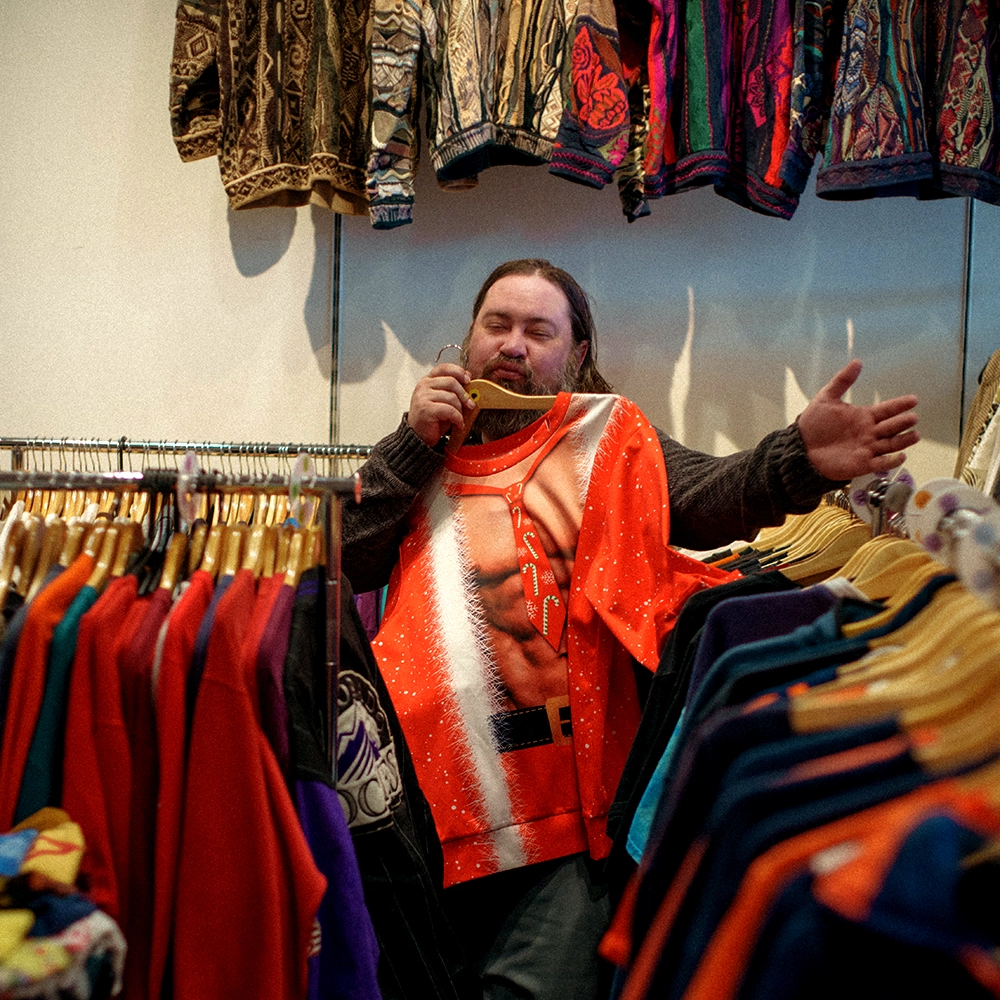
The Denver vintage market is more than a place to find one-of-a-kind pieces — it’s a movement toward sustainable style. Visiting a vintage market supports a circular wardrobe, keeps items out of landfills, and reduces the demand for new production. Whether you’re hunting for clothes, furniture, or accessories, thrifting at a vintage market is one of the simplest actions you can take for the planet.
Why Thrifting at a Vintage Market Reduces Waste
Buying secondhand extends the life of items that already exist. When you choose a pre-loved jacket, lamp, or set of plates, you delay that item’s trip to the landfill and lower the need for new resources and manufacturing. A thriving vintage market also creates a marketplace for repairs, upcycling, and resale — all key elements of a circular economy.
- Reuse: Every purchase keeps goods in circulation longer.
- Repair: Many sellers and shoppers favor items that can be fixed rather than replaced.
- Upcycle: Old pieces often become fresh, functional items with a little creativity.
Smart Thrifting Tips for Sustainable Shopping
Shopping sustainably means making choices that prioritize longevity and usefulness. Use these simple tips the next time you visit a vintage market:
- Inspect Quality: Look for solid construction and repairable wear.
- Choose Classics: Timeless styles are more likely to be used for years.
- Bring a List: Buy what you need to avoid impulse purchases that won’t be worn.
- Ask Sellers About Origins: Learning where pieces came from can help you understand their lifecycle.
Caring for Vintage Finds to Extend Their Life
Once you bring an item home, proper care matters. Follow care labels, mend small tears, replace missing buttons, and consider professional cleaning for delicate items. Treating vintage pieces well ensures they remain useful and desirable for the next owner, continuing the waste-reduction cycle.
The Bigger Picture: Community and Circularity
A strong vintage market fosters community repair networks, swap events, and education about sustainable consumption. By choosing the vintage market route, shoppers support local businesses, encourage reuse, and make a positive environmental impact—one thoughtful purchase at a time.